Boards & panels
Marine Board vs Blockboard vs Plywood: Which Board Should You Use?
Sheet materials are some of the most useful things on a building site and in a carpentry workshop. In Kenya the standard sheet size is 8 × 4 ft (about 2440 × 1220 mm), and three names cover most of what people buy: plywood, marine board and blockboard. Picking the wrong one usually shows up later as swelling, sagging or peeling.
Plywood
Plywood is made from thin layers of wood veneer glued together, with the grain of each layer turned across the one below. That cross-layering makes it stable and stops it splitting easily.
- Thicknesses: from about 3 mm for backing panels up to 18 mm and more for structural use.
- Good for: cabinet backs and drawer bottoms (thin sheets), furniture, ceilings, packaging and general interior work.
- Watch out for: ordinary interior plywood is not made for wet conditions. The glue lines can fail and the face veneers can lift if it stays damp.
Marine board
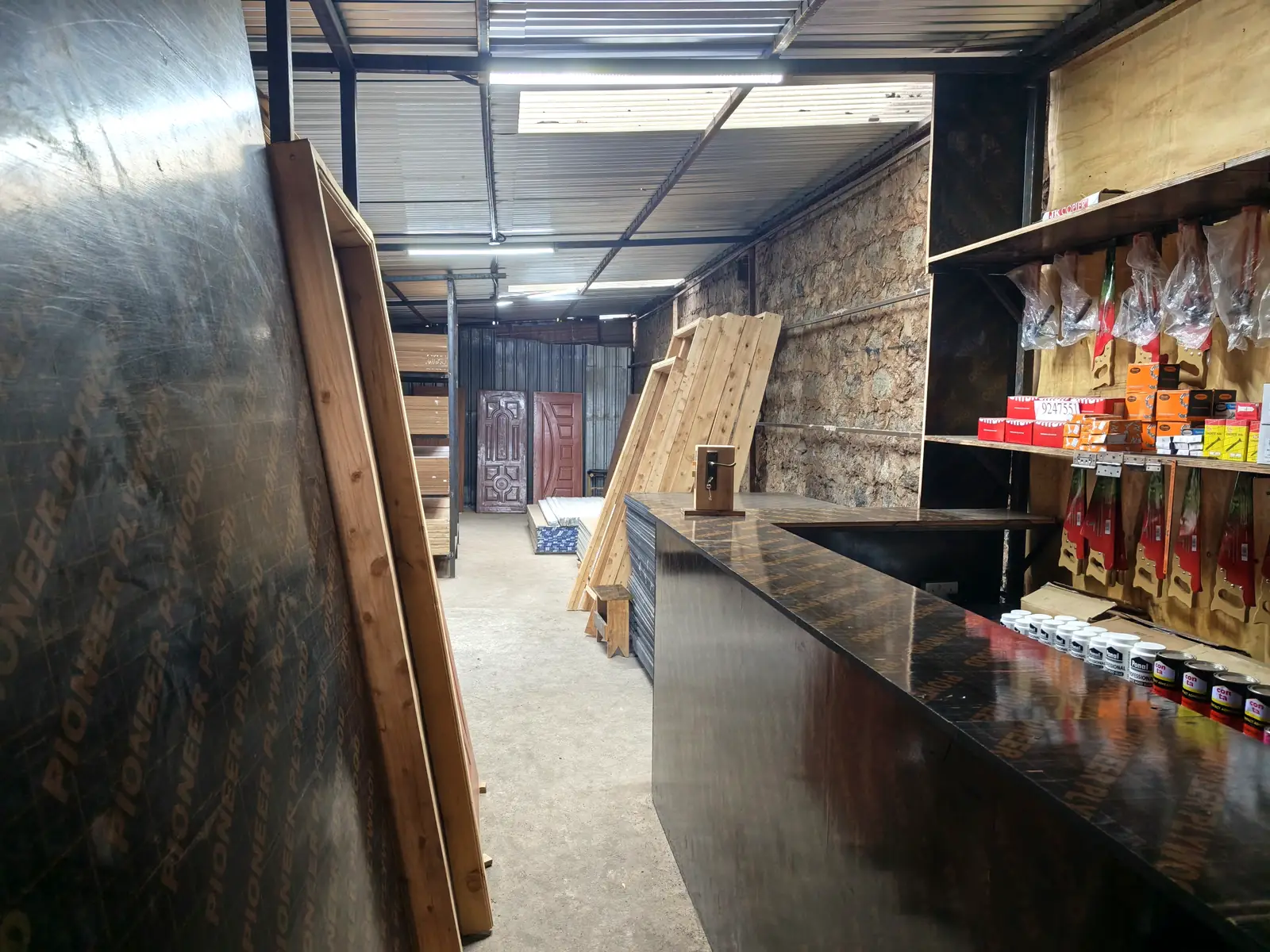
Marine board is plywood made with water-resistant glue so that it holds together in damp conditions. In Kenya the name is also widely used for film-faced shuttering plywood — the dark brown or black boards you see on construction sites, coated with a smooth resin film.
- Good for: concrete formwork (shuttering) for slabs, beams and columns, kitchen and bathroom units in wet zones, and outdoor or semi-outdoor work.
- Why film-faced boards are popular on site: the film gives concrete a smooth finish and helps the board release cleanly, so it can be reused for several pours when it is handled well.
- Watch out for: cut edges are the weak point. Seal them, store boards flat and off the ground, and clean and oil formwork faces between uses.
Blockboard
Blockboard has a core of softwood strips glued edge to edge, covered on both faces with veneer. It is usually sold in 18 mm (and sometimes 24 mm) thickness.
- Good for: long shelves, wardrobes, table tops, kitchen base-unit carcasses and solid-core flush doors — places where you want a stiff panel that resists sagging.
- Strengths: stiff over long spans, lighter than many alternatives of the same thickness, and it takes screws well on its faces.
- Watch out for: it is not a wet-area board, and the exposed edges show the strip core, so they are normally covered with edge tape or a timber lipping.
Side-by-side
| Feature | Plywood | Marine board | Blockboard |
| Core | Cross-laid veneers | Cross-laid veneers, water-resistant glue | Softwood strips |
| Damp areas | Not recommended | Yes | No |
| Stiffness over long spans | Good | Good | Very good |
| Typical jobs | Panels, backs, ceilings | Formwork, wet-area units | Shelves, doors, furniture |
A simple way to choose
- Will it get wet or hold concrete? Choose marine board.
- Does it need to span a distance without sagging — a shelf, a door, a table top? Choose blockboard.
- Is it a light panel, a backing or a ceiling? Plywood in a suitable thickness will do the job for less.
Many kitchens in Kenya combine them: marine board under the sink and around water points, and blockboard for the rest of the base units.
Storing boards so they last
- Stack sheets flat on evenly spaced bearers, never leaning for long periods.
- Keep them off the ground and under cover.
- Seal cut edges, especially on anything used in damp places.
Not sure which board your carpenter or contractor means? Send us a photo or the list and we will confirm what you need, the thickness and the number of sheets.
Need these materials?
Send your list to the yard and we’ll reply with sizes, stock and prices.